Summer Job Diaries: Juvenile Justice Clinic Student Continues Work as Summer Intern
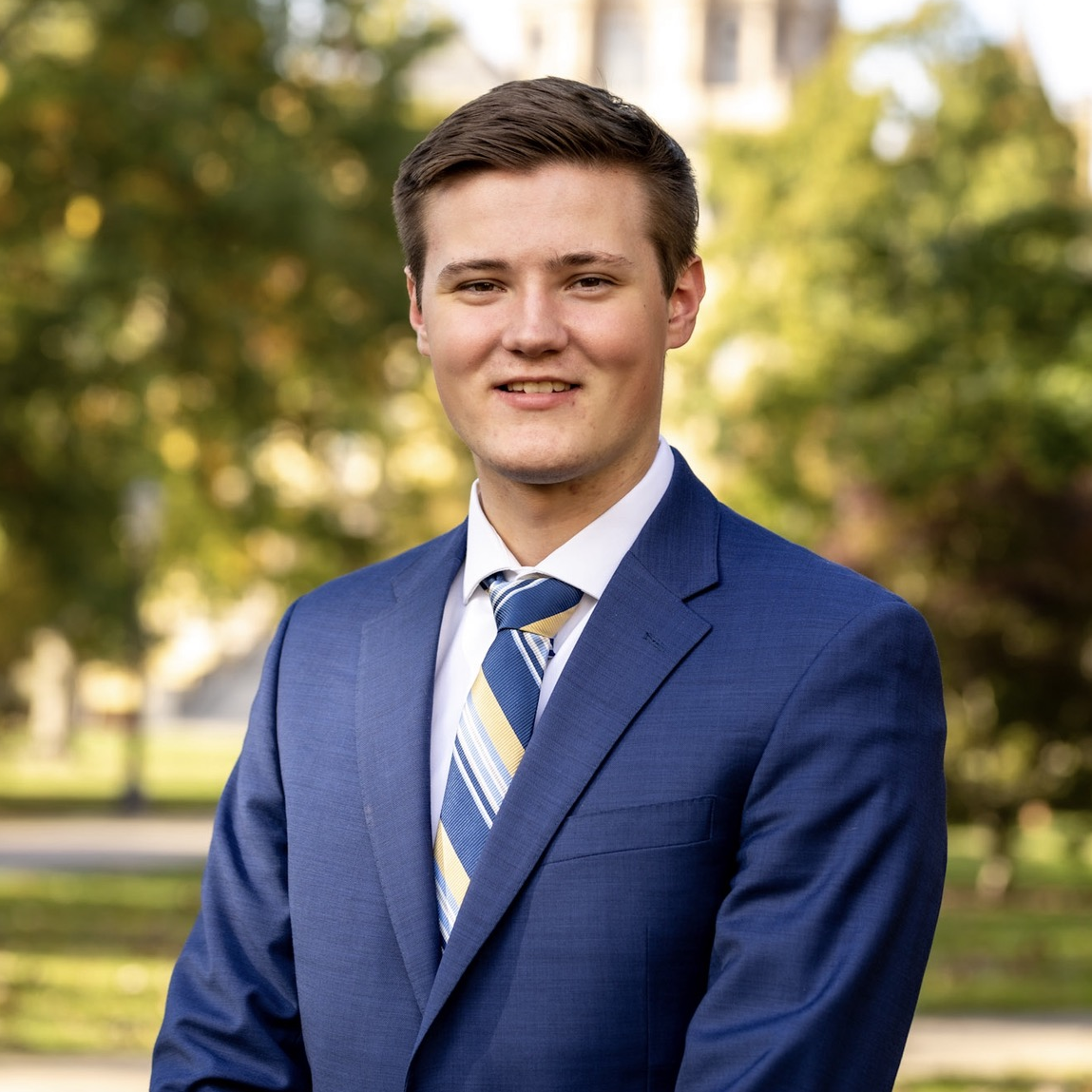
Andrew Cummings ’27 became so passionate about the work he was doing in the Juvenile Justice Clinic (JJC) that he decided to apply for a summer internship role at the clinic to continue advocating for youth even after most other students left campus for the summer. His work with the program, part of the Loyola Social Justice Law Clinic’s Center for Juvenile Law and Policy, has illuminated a path forward for his career and for the kind of lawyer he wants to be.
How did you land your summer job?
I spent my 2L year working with the JJC and loved the work, our incredible clients, and the team so much that I decided to stick around for the summer! It felt like a natural extension of all the work I had already done, so I submitted an application and secured the role.
What is the most interesting part of your job?
The most interesting part of my job this summer was getting to practice our clinic's holistic model of defense. Our model of defense addresses not just the immediate legal case our client has, but also the root causes and collateral consequences of their involvement in the juvenile delinquency system. Working alongside an incredibly talented and passionate interdisciplinary team allowed me to understand what's happening in our clients' lives and advocate for evidence-based solutions that extended beyond the courtroom.
What has been your most challenging assignment thus far?
Preparing for a trial, or what we call an adjudication, was by far the most challenging assignment. I spent a significant amount of time reviewing body-worn camera footage, surveillance footage, police reports, expert reports, and other evidence to develop our defense. It was challenging, but also one my most exciting tasks this summer.
What new legal skill have you acquired during your summer job?
One skill I've really developed as part of the clinic is pre-trial motion practice. Juvenile delinquency shares many of the same motions as the adult criminal court – and more. I'm incredibly grateful to have developed this skill because I learned very quickly over the summer how much impact I can have on a case's resolution through all the motions I wrote and argued before trial.
What legal knowledge have you been able to display?
I've been surprised by how often constitutional law comes up in juvenile defense. I've applied the Fourth Amendment to searches and seizures, the Fifth Amendment to interrogation and Miranda issues, and the 14th Amendment to due process issues involving discovery. Most surprisingly, I've had opportunities to use the First Amendment when challenging probation conditions that restrict a client's speech or association. It has been rewarding to see constitutional doctrines learned in the classroom become practical tools for advocating for our clients.
How has Loyola helped you map your career path?
The JJC has been instrumental in shaping my career path. I came into law school knowing that I wanted to practice either civil rights litigation or public defense. The program allowed me to represent young people while still in law school and discover just how much I care about public defense, civil rights, and now juvenile advocacy. I started with the clinic during my 2L year, stayed through the summer, and am now returning for my 3L year. Loyola gave me the opportunity to find not just the kind of law I want to practice, but the kind of lawyer I want to be.