
On Jan. 14, 2026, a Los Angeles Superior Court judge granted a rare expungement petition for Quan Huynh.
The ruling was brief. The story behind it was not.
For Huynh, the decision marked a formal legal recognition of years of accountability and sustained rehabilitation. For Megan Kim ’27 — the Collateral Consequences of Conviction Justice Project (CCCJP) student who argued the petition on his behalf — it was her first courtroom appearance leading argument in a case, and it would reshape her understanding of the law.
The Law and Its Limits
Expungement in cases involving serious offenses remains uncommon, even in California, where post-conviction relief statutes are among the most expansive in the country. Such petitions require detailed briefing, careful judicial discretion, and often face opposition from prosecutors. This case was no exception. It unfolded over months of preparation and two court appearances before relief was ultimately granted.
Kim first met Huynh at an orientation event hosted by Loyola’s law clinics, where he spoke with students in the Collateral Consequences of Conviction Justice Project (CCCJP) about his murder conviction, the years he spent in incarceration, and the path toward rehabilitation he began charting long before his release.
Over the summer, clinic students working under the supervision of Professor Marisa Harris, director of CCCJP, drafted the initial filing of Huynh’s case. When the district attorney filed opposition in the fall, Harris brought the matter back to the clinic and asked who would take it on.
Kim raised her hand.
Compelled by Huynh’s story at orientation, she later described her decision as a “no-brainer.” Kim worked under the supervision of staff attorney Shelle Shimizu, who assisted with briefing and case strategy. At the first hearing, the judge requested additional briefing from both sides and did not issue a ruling. By the second hearing, Kim stood ready to argue head-to-head against an experienced deputy district attorney.
The question before the court was not whether the past had occurred, but whether the law could recognize what had followed it. “If our justice system is supposed to help people rehabilitate and reenter society, then we have to actually give people that opportunity,” Kim said.
Under California law, expungement does not erase an arrest record or rewrite history. The underlying facts remain. What changes is the legal disposition — and the collateral barriers that often follow a conviction long after a sentence has been served.
When the judge indicated it was her time to speak, Kim focused on the person at the center of the petition. She later reflected that, in her mind, the case had already been won — not because the outcome was certain, but because of what she had come to understand about Huynh’s journey.
A Life Rebuilt Through Rehabilitation
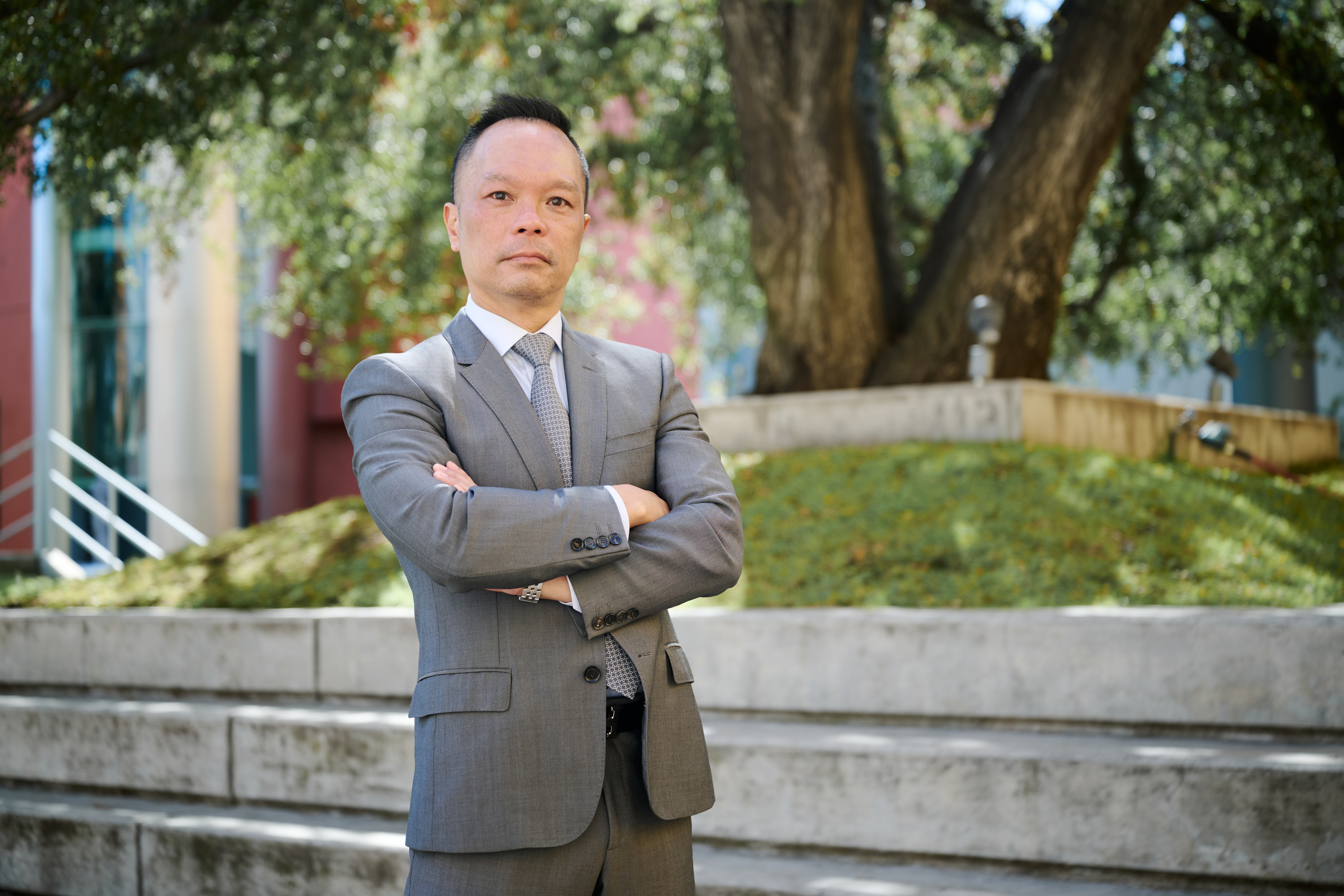
Huynh’s rehabilitation began long before his release. During more than two decades in and out of correctional institutions — including a life sentence from which he was paroled in 2015 — he began leading programs, studying extensively, and documenting his reflections in journals that would later inform his memoir, Sparrow in the Razor Wire: Finding Freedom from Within While Serving a Life Sentence. Six months after his release, he launched his first company. The following year, he received a Peace Fellowship Award for his work with the Alternatives to Violence Project.
Today, he serves as executive director of Defy Ventures in Southern California, leading programs that support career readiness and personal development for people with criminal histories.
To Kim, that sustained commitment mattered.
“I see Quan live his life with so much compassion and love for people — all people,” she said. “That really changed the way I think about my own life and about prioritizing treating everyone with kindness, no matter what they’ve been through.”
When the judge granted the petition, Huynh stepped outside the courtroom and began making calls.
“I remember I took that day off and intentionally called every single person who wrote me support,” he said, pausing as he reflected on the moment. Among those he called was his mother, who was so overcome with emotion that she had to hang up and call him back.
For Huynh, the moment was personal. But it was also about access — and the uneven pathways to relief that many people encounter after incarceration.
“I say it all the time — every human being is worth salvaging,” he said. “That came through ownership and acceptance of responsibility. That’s given me my freedom.” He acknowledges that not everyone has access to the same networks, legal representation or knowledge of changing statutes. Many who qualify for relief never pursue it. Others assume they are not eligible.
What Recognition Makes Possible
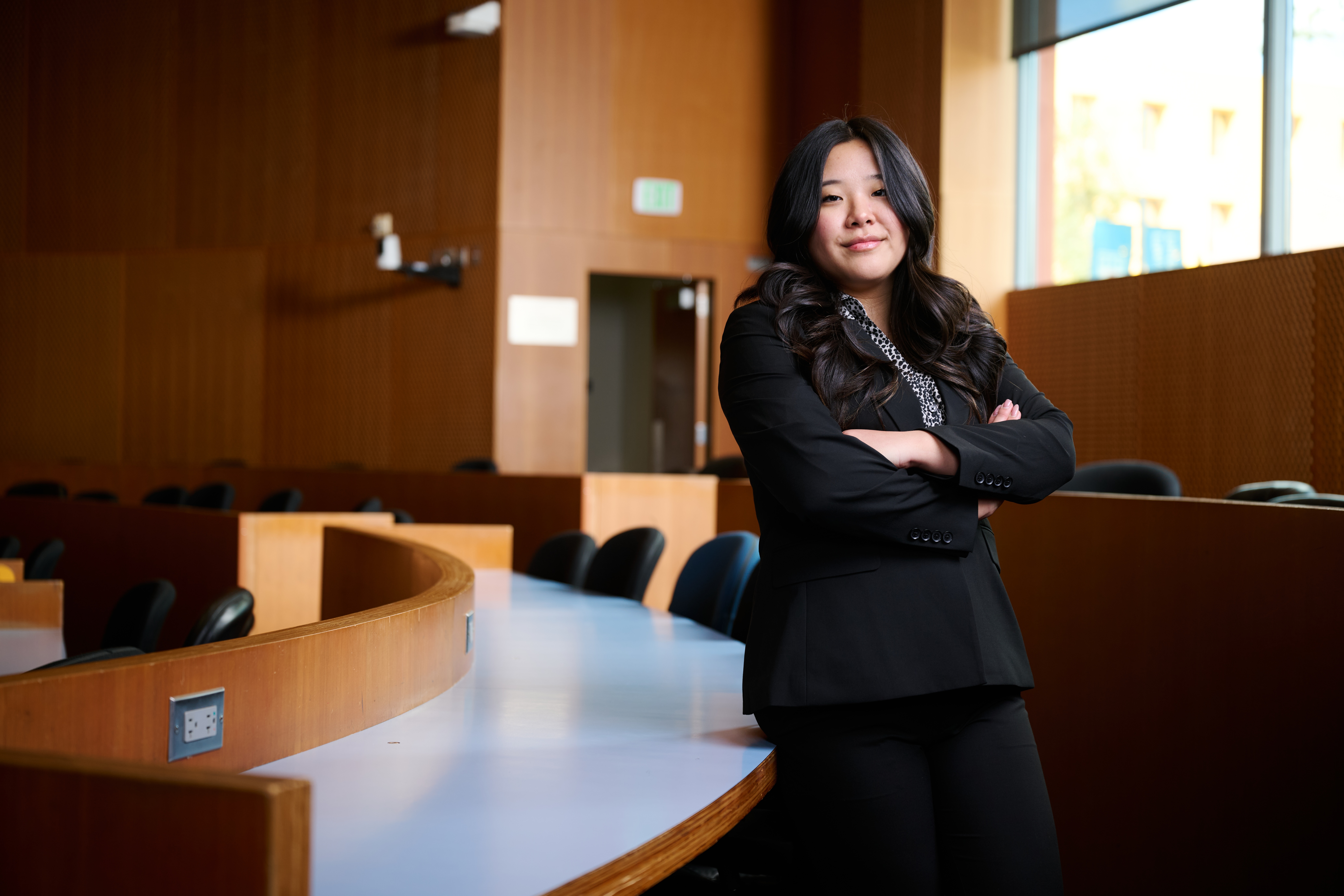
For Kim, the case reshaped both her understanding of the law and her future as an attorney. “Working with Quan completely changed my perspective on our criminal justice system and on rehabilitation,” she said.
Loyola's clinic model is designed for this kind of immersive, real-world advocacy. Students draft complex pleadings, prepare for argument through extensive mooting and appear in court under faculty supervision. The work is rigorous and often emotionally demanding — and transformative.
“Professionally, I never thought about doing post-conviction relief work until I joined this clinic,” Kim said. “Now it feels non-negotiable in whatever I decide to pursue.”
The court’s ruling did not come with ceremony or commentary. The petition was granted, and the court moved on to its next matter.
But outside the courtroom, the impact lingered.
It traveled through phone calls, through conversations long deferred, through the steady work of years of rehabilitation. It reached a mother, a community of supporters, and a law student who had just argued her first case.
For others carrying the weight of a conviction and committed to the long work of rehabilitation, the ruling offers something rare: proof that sustained transformation can be recognized under the law.
Huynh hopes that recognition becomes more accessible.
“My hope would be that other people who are formerly incarcerated and have convictions would have much broader access to expungement,” he said.
Learn more about the work of Loyola’s Collateral Consequences of Conviction Justice Project