ACCESS TO VICTIM SERVICES
 |
EXPANDING SURVIVOR ACCESS TO SUPPORT
The Problem
Financial and legal relief are both crucial parts of recovery for survivors of human trafficking, helping to address the lasting impact of their exploitation and providing a foundation for rebuilding their lives. For many survivors, these forms of relief are not just about stability; they are about recognition, justice, and the ability to move forward without barriers created by their trafficking experience.
Yet despite their importance, far too few survivors are successfully accessing these resources. Survivors, particularly those from immigrant or otherwise marginalized communities, often face significant barriers, including limited outreach, language access challenges, lack of legal support, and fear or mistrust of government systems. As a result, resources administered through the California Victim Compensation Board (CalVCB), including income loss compensation under AB 629, as well as record relief through the vacatur process, remain underutilized—leaving survivors to shoulder the long-term economic and legal consequences of their exploitation alone.
Our Goal
Our goal is to expand survivor access to financial compensation and legal remedies by improving awareness, accessibility, and implementation of existing survivor-centered protections in California. Through our advocacy, we work to ensure survivors can access meaningful financial relief and clear criminal records connected to their trafficking experience, without facing unnecessary barriers or re-traumatization.
The Impact
Improving access to victim services allows survivors to begin rebuilding their lives with dignity and stability. When survivors can access income loss compensation and clear criminal records tied to their exploitation, they are better positioned to secure housing, employment, education, and long-term safety.
Strengthening these systems ensures that survivors are not punished for harm they were forced to endure or acts they were compelled to commit, and that recovery pathways are rooted in fairness, recognition, and justice.
EXPLORE THE ISSUE
Human Trafficking: Victim Compensation Program - AB 629
Existing regulations for CalVCB provide reimbursement for lost wages when a victim misses work due to injury or trauma resulting from a crime. To qualify, applicants are typically required to show formal employment documentation, such as a W-2, paystub, or other employer records. For survivors of human trafficking, those requirements are nearly impossible to meet, as traffickers do not provide paystubs or official employment records.
AB 629, enacted to support survivors, expands access to income loss compensation for people who experienced human trafficking. This bill clarifies that survivors can receive compensation for income lost as a direct result of being trafficked and allows CalVCB to consider alternative forms of documentation when determining eligibility. Survivors who qualify may receive up to $10,000 per year for a maximum of two years in compensation for lost income. By recognizing the economic realities of trafficking, including the fact that survivors are often deprived of their liberty to earn wages, AB 629 helps ensure that survivors can access meaningful financial relief and take steps toward rebuilding stability and independence.
Record Relief for Survivors
Survivors of human trafficking often face criminal convictions or arrests that occurred as a direct result of their exploitation. These records can create long-term barriers to employment, housing, education, and stability, even after a survivor has escaped a trafficking situation. Recognizing this harm, California established a process under Penal Code §236.14 that allows survivors to clear or vacate certain convictions and arrests connected to their trafficking experience.
Through this vacatur relief process, a survivor may petition the court to have these convictions dismissed if they can show that the crimes were a direct result of being trafficked. Clearing these records helps remove the stigma and collateral consequences of criminalization, giving survivors a genuine opportunity to rebuild their lives. By acknowledging that no one should be punished for acts they were forced to commit, Penal Code §236.14 supports survivors’ pathways to justice, independence, and long-term recovery.
STATE ADVOCACY
Improving the Application Process for Survivors
SJI has developed a comprehensive set of recommendations aimed at helping the California Victim Compensation Board (CalVCB) increase access to benefits for human trafficking survivors under Assembly Bill 629. This initiative is designed to bridge gaps in awareness and accessibility, ensuring that survivors know about and can easily apply for the financial support available to them for crime-related expenses. By outlining key areas for improvement, our recommendations seek to enhance CalVCB’s outreach and application processes so that more survivors receive the assistance they need to rebuild their lives.
Fact Sheet: Overview of CalVCB and AB 629
Read Full ReportTAKE ACTION
Training Video & Application Materials
Explore tools and resources to learn how to apply or how to support someone in applying for income loss compensation under AB 629. These materials include step by step guides, templates, and helpful planning tools. Our goal is to help survivors and their advocates navigate the process with confidence and clarity.
View Application Guide
Learn About Vacatur Relief
Explore how survivors of human trafficking can clear certain convictions or arrests that happened as a result of their exploitation. Vacatur relief is a legal process that helps survivors move forward — making it easier to find housing, work, and stability without being punished for crimes they were forced to commit. Learn more about the process, eligibility, and where to get free legal help.
View Vacatur Information
CONTACT US
For More Information
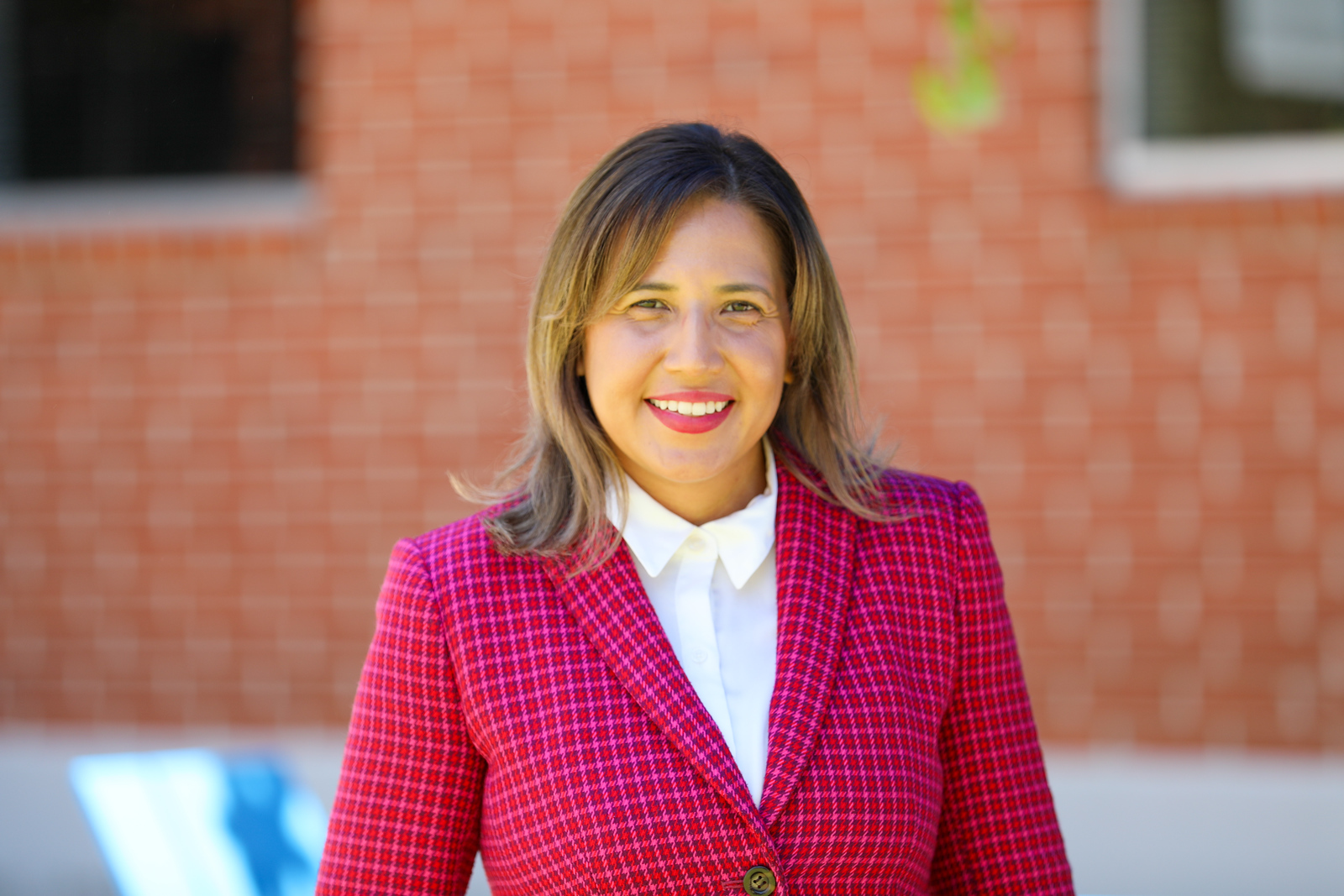
If you have questions or would like to connect about our policy efforts related to income loss benefits for trafficking survivors, please contact Paloma Bustos, Policy Associate.
FOLLOW US
Stay connected by following us on social media, where we share updates on our advocacy, highlight survivor-centered initiatives, and post opportunities to get involved.